

3-Axis vs. 5-Axis CNC Machining: What’s the Difference and When to Use Each?
When it comes to modern manufacturing, CNC machining is essential for producing high-precision, consistent parts across industries like aerospace, automotive, medical, and more. Two of the most commonly used methods are 3-axis and 5-axis CNC machining, each with distinct advantages based on part complexity and production needs. In this blog, we’ll break down the difference between the two and help you understand when to use each.
What Is 3-Axis CNC Machining?
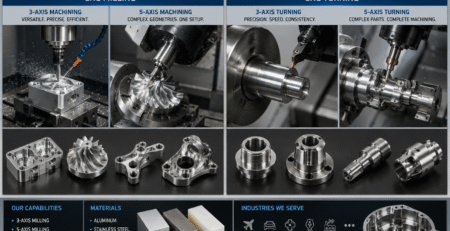
3-axis machining is the most basic form of CNC machining. The cutting tool moves in three directions: left to right (X-axis), front to back (Y-axis), and up and down (Z-axis). It’s a great choice for parts with relatively simple geometries, flat surfaces, and features that don’t require access from multiple angles.
This method is highly reliable and widely used for drilling, milling, and cutting tasks. It’s also a cost-effective option for small to medium-sized production runs.
What Is 5-Axis CNC Machining?
5-axis machining offers advanced capabilities by allowing the cutting tool to move along the same three axes (X, Y, Z) plus two additional rotational axes—usually A (tilting) and B (rotating). This allows the tool to approach the workpiece from virtually any direction.
5-axis machining is ideal for complex parts with intricate curves, undercuts, and multi-surface geometry. It reduces the need for multiple setups and can achieve incredibly tight tolerances and fine finishes.
When Should You Use 3-Axis Machining?
3-axis CNC machining is well-suited for:
- Simple part designs
- Flat or straight features
- Short-run production
- Standard milling and drilling
If your part doesn’t require angled cuts or complex contours, 3-axis machining offers an efficient and affordable solution.
When Is 5-Axis Machining the Right Choice?
Choose 5-axis machining when:
- Your part has complex shapes or curved surfaces
- Multiple sides of the part need machining
- You want to reduce part handling and setups
- Tight tolerances and high-quality finishes are essential
The flexibility and accuracy of 5-axis machines can significantly reduce machining time and deliver superior results, especially for intricate or high-value components.
The Role of Precision Machining
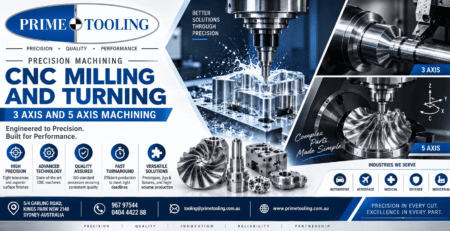
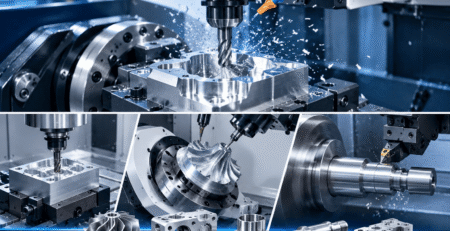
No matter which method you choose, precision machining CNC milling and Turning 3 axis and 5 axis machining allows manufacturers to achieve superior results in terms of accuracy, repeatability, and efficiency. With advancements in CNC technology, today’s manufacturers can produce parts with tighter tolerances, faster lead times, and greater consistency than ever before.

Leave a Reply