
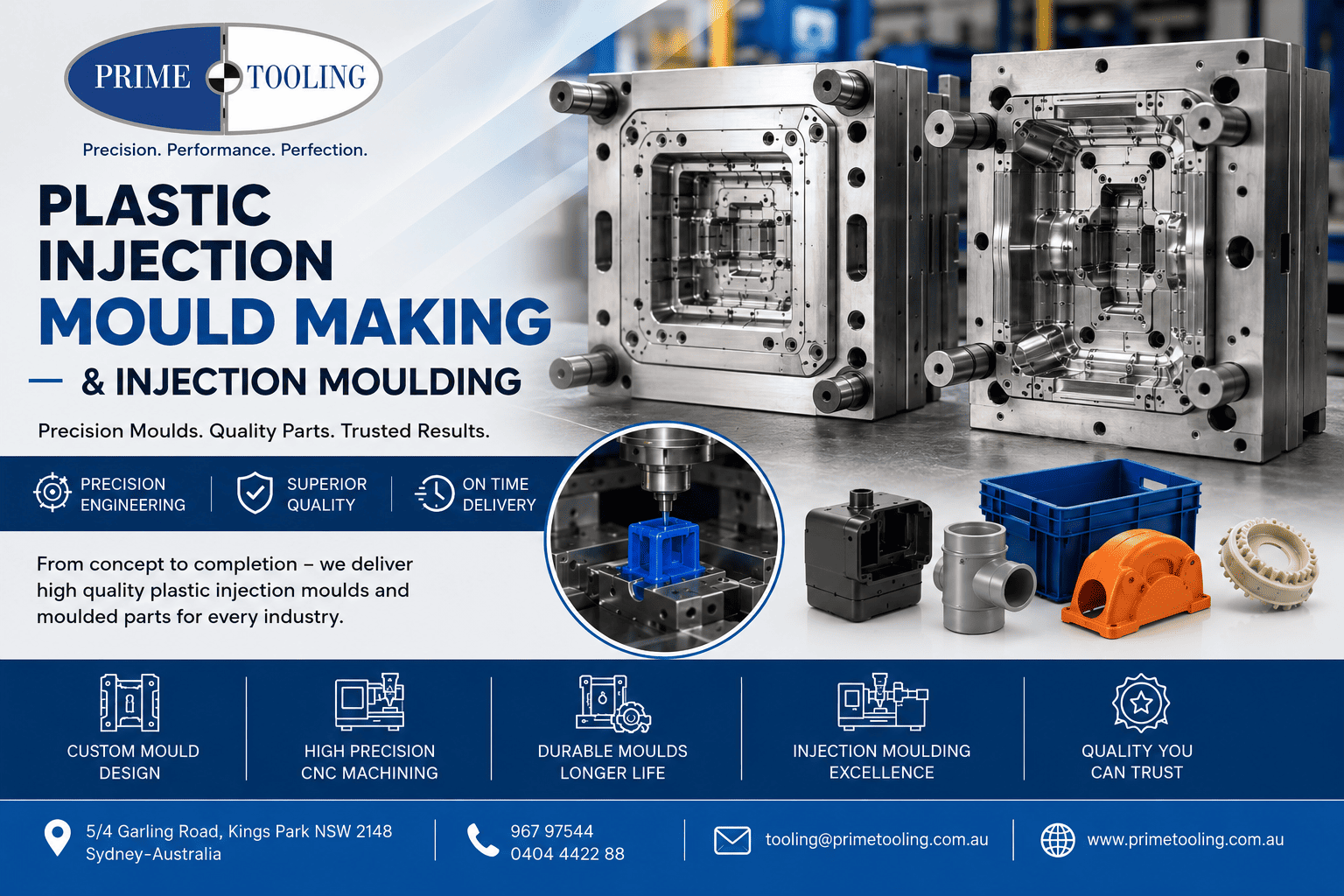
Plastic Injection Mould Making and Injection Moulding: A Guide to Quality Manufacturing
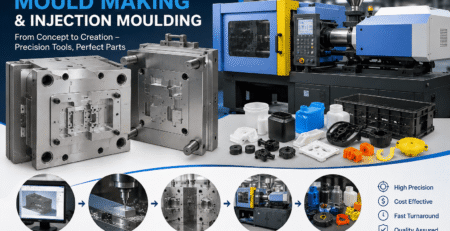
Plastic injection moulding is one of the most widely used manufacturing processes for producing accurate, repeatable and high-quality plastic components. From automotive and electrical products to medical equipment, household goods and consumer products, injection moulding provides an efficient way to manufacture components in both small and large production volumes.
The quality of the final mould plays a major role in the performance, appearance and consistency of every moulded component. This is why professional plastic injection mould making and injection moulding require careful design, precision engineering, high-quality machining and thorough testing.
What Is Plastic Injection Mould Making?
Plastic injection mould making is the process of designing and manufacturing a precision mould that is used to form plastic components. The mould contains carefully engineered cavities and cores that define the shape, dimensions and surface finish of the finished product.
A well-designed mould must consider several factors, including:
- Component geometry
- Plastic material selection
- Wall thickness
- Draft angles
- Gate location
- Cooling requirements
- Ejection method
- Undercuts and moving components
- Expected production volume
At Prime Tooling, injection mould designs can range from relatively simple moulds to complex tools incorporating slides, angle lifts, collapsible cores, inserts and manual or automatic unscrewing mechanisms.
Why Good Mould Design Matters
Good mould design is one of the most important stages of the injection moulding process. A poorly designed mould can result in manufacturing problems, increased production costs, longer development times and inconsistent parts.
Prime Tooling’s design approach considers how the plastic material enters the mould, how air escapes, how heat is removed and how the finished component is ejected. The company also provides design-for-manufacturing assistance, including advice relating to draft, gate location, undercuts, wall thickness and potential sink marks.
By identifying potential problems during the design stage, manufacturers can reduce unnecessary modifications later in the project.
The Plastic Injection Moulding Process
Injection moulding begins by heating plastic material until it reaches a suitable molten state. The material is then injected under pressure into the mould cavity.
Once the plastic fills the cavity, it is allowed to cool and solidify. The mould then opens and the finished component is ejected.
The basic process includes:
- Mould preparation – The mould is installed and prepared for production.
- Plastic heating – Polymer material is heated to the appropriate processing temperature.
- Injection – Molten plastic is injected into the mould cavity.
- Packing and cooling – Pressure is maintained while the component cools and solidifies.
- Mould opening – The mould separates after the required cooling period.
- Part ejection – The completed plastic component is removed.
- Repeat cycle – The mould closes and the process begins again.
The accuracy of the mould, machine settings and material selection all contribute to the quality of the finished component.
Complex Injection Mould Manufacturing
Modern plastic products can have complicated shapes that require sophisticated moulding solutions. Features such as undercuts, threads, internal details and complex parting lines may require specialised mechanisms within the mould.
Prime Tooling has experience designing and manufacturing injection moulds incorporating mechanical, hydraulic and air-operated slides, angle lifts, sprung cores, collapsible cores, manually loaded inserts and manual or automatic unscrewing systems.
These capabilities allow mould designers to develop tooling for products with demanding geometries while maintaining production requirements.
Precision CNC Machining and Tool Manufacturing
Precision machining is an important part of plastic injection mould making. Mould components need to be manufactured accurately so that the finished tool produces components that meet the required specifications.
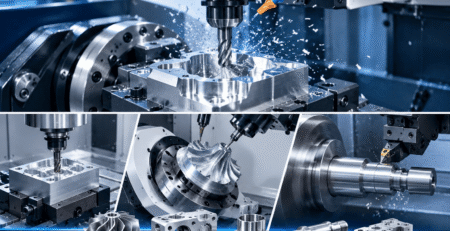
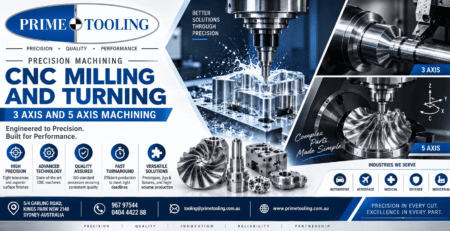
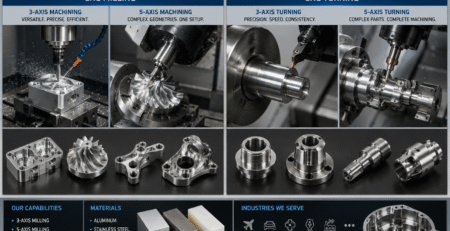
Prime Tooling provides precision CNC milling and turning, 3D CAD modelling, tool design, toolpath programming and other engineering services. Its facility includes CNC equipment and in-house toolmaking resources.
Combining design, machining and toolmaking expertise can help create a more efficient workflow from the initial product concept through to completed mould manufacture.
Injection Mould Testing and Trialling
Manufacturing the mould is only one part of the process. Testing the tool before production is an important step in identifying potential issues and confirming that the mould performs as expected.
Prime Tooling has an in-house injection moulding facility with machines ranging from 60-tonne to 128-tonne capacity. The company states that it trials most new moulds before they are sent to customers, subject to customer consent.
Trialling can provide valuable information about the mould and allow initial samples to be evaluated. If modifications are required, adjustments can be planned before the tool enters full production.
Applications of Injection Moulds
Plastic injection moulding can be used across many industries because the process is suitable for producing a wide variety of components.
Prime Tooling manufactures precision tooling for applications including:
- Automotive products
- Electrical and electronic equipment
- Computer equipment
- Medical equipment
- White goods
- Horticultural products
- Home and leisure products
The appropriate mould design depends on the component, polymer, production quantity, tolerances and expected service conditions.
Prototyping and Low-Volume Moulding
Before committing to large-scale manufacturing, product developers may need prototypes or small production runs. Prototyping can help identify design issues and provide physical samples for evaluation.
Prime Tooling offers prototype moulds and low-volume moulding alongside individual parts machining, fabrication and other prototyping services.
This approach can be useful when a business needs to assess a product before investing in higher-volume production tooling.
Choosing an Experienced Injection Mould Maker
Choosing the right toolmaking partner can have a significant impact on a project’s development time, tooling quality and production performance.
An experienced injection mould maker should be able to understand the complete manufacturing process rather than focusing only on producing the physical tool. Product design, material selection, mould construction, machining, testing and modifications all need to work together.
Prime Tooling is an Australian-owned precision toolmaking and engineering company based in Kings Park, NSW. Established in 1999, the company specialises in plastic injection mould manufacturing and provides design, CNC machining, prototyping, mould testing and related engineering services.
Conclusion
Successful plastic injection mould making and injection moulding depend on precision at every stage, from product design and CAD modelling through mould manufacture, CNC machining, testing and final production.
A carefully engineered mould can help manufacturers achieve consistent component quality, efficient production cycles and reliable long-term performance. Working with an experienced toolmaking and engineering company can also help identify potential manufacturing challenges early and reduce unnecessary tooling modifications.
For businesses looking for professional plastic injection mould manufacturing, tool design, CNC machining and mould testing in Australia, Prime Tooling provides a range of in-house precision engineering and toolmaking services.
Prime Tooling Pty Ltd
5/4 Garling Road, Kings Park, NSW 2148, Sydney, Australia
Phone: 02 9679 7544
Mobile: 0404 4422 88
Email: tooling@primetooling.com.au
For more information about plastic injection mould making, injection moulding and related tooling services, visit Prime Tooling.

Leave a Reply