
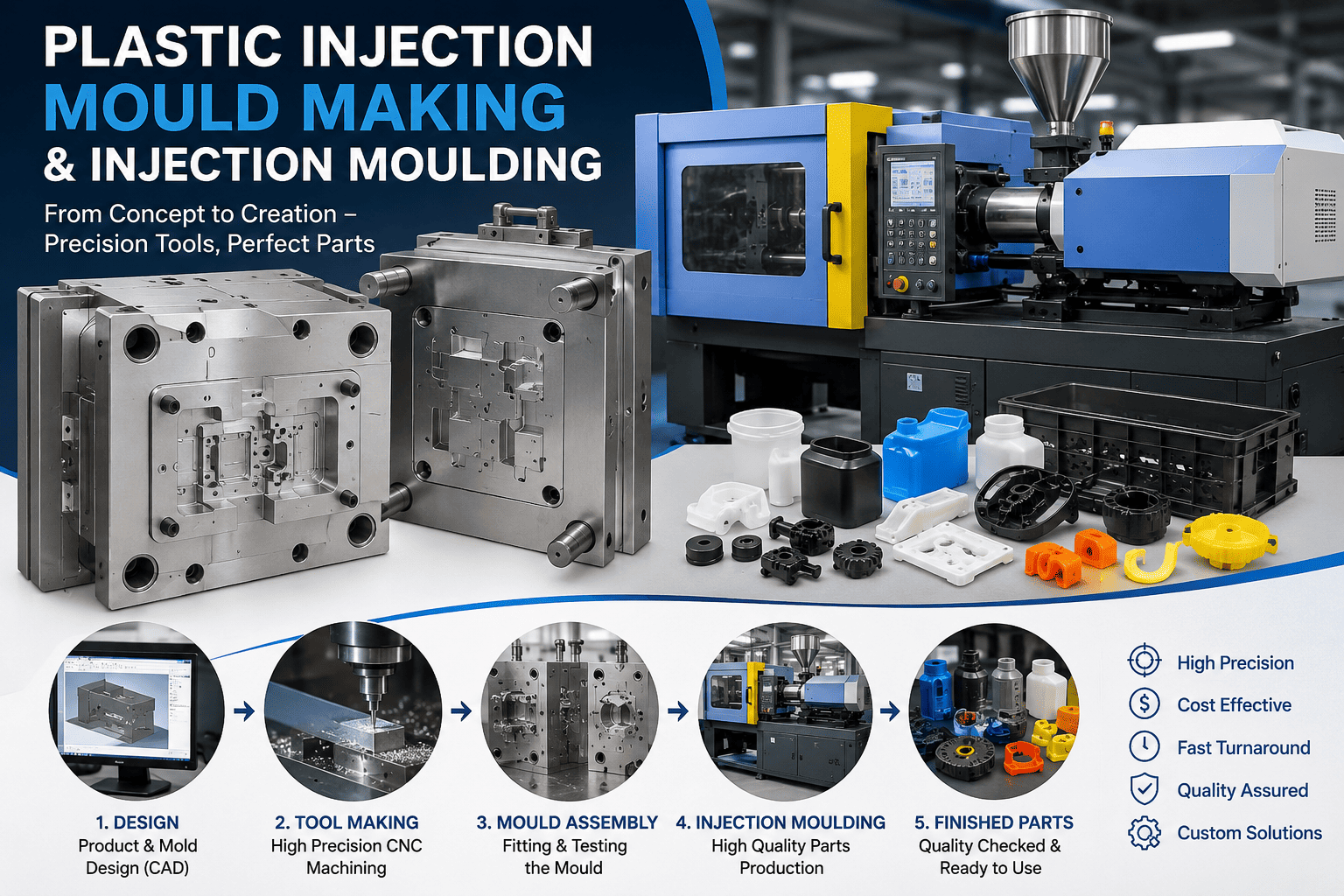
Plastic Injection Mould Making and Injection Moulding: Precision Solutions for Modern Manufacturing
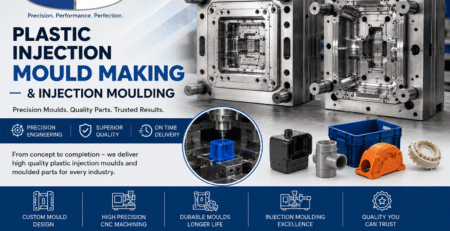
Plastic manufacturing requires precision, consistency, and reliable tooling. Whether you are developing a new product, producing components for automotive applications, or manufacturing electrical and consumer products, the quality of the mould has a direct impact on the final result. Plastic injection mould making and injection moulding are therefore essential processes for producing high-quality plastic components efficiently and consistently.
Prime Tooling Pty Ltd is an Australian-owned precision toolmaking and engineering company based in Kings Park, NSW. Established in 1999, the company specialises in manufacturing plastic injection moulds and provides design, toolmaking, CNC machining, prototyping, mould testing, modification, maintenance, and repair services.
What Is Plastic Injection Mould Making?
Plastic injection mould making is the process of designing and manufacturing precision moulds that are used to produce plastic components. The mould is engineered around the required product design, material, production volume, dimensional requirements, and cosmetic specifications.
A well-designed mould must provide an efficient path for molten plastic to enter the cavity, allow air to escape, manage heat effectively, and release the finished component without damage. Prime Tooling focuses on these important considerations during the mould design and manufacturing process.
Modern injection moulds can range from relatively simple designs to highly complex tooling incorporating slides, angle lifts, collapsible cores, sprung cores, inserts, and manual or automatic unscrewing mechanisms.
The Importance of Injection Mould Design
Good mould making begins with good design. Before manufacturing the tooling, engineers need to consider the product geometry and how the component will be manufactured.
Design decisions can influence:
- Product quality
- Cycle time
- Tool life
- Material consumption
- Production efficiency
- Maintenance requirements
- Overall manufacturing costs
Prime Tooling provides 3D CAD modelling and tool design services and can assist with design-for-manufacturing considerations such as draft angles, gate locations, wall thickness, undercuts, sink marks, and polymer selection.
This early engineering input can help identify potential manufacturing problems before the mould is produced.
Understanding the Injection Moulding Process
Injection moulding is a manufacturing process in which plastic material is heated until it becomes sufficiently fluid and then injected into a mould cavity under pressure. Once the material cools and solidifies, the mould opens and the finished component is removed.
The basic stages generally include:
- Plastic material is prepared for processing.
- The material is heated and melted.
- Molten plastic is injected into the mould.
- Pressure is maintained while the component cools.
- The mould opens.
- The finished part is ejected.
- The process is repeated for the next component.
The mould itself plays a critical role in determining the shape, dimensions, surface finish, and repeatability of the finished product.
Why Precision Mould Making Matters
A poorly designed or manufactured mould can lead to production problems such as inconsistent dimensions, difficult part ejection, flash, sink marks, poor surface finish, and excessive production downtime.
For this reason, precision is particularly important when manufacturing complex plastic components.
Prime Tooling has in-house tool design and CAD/CAM capabilities and uses precision machining equipment for mould manufacturing. The company also has experience with complex mould geometries and specialised mechanisms required for challenging applications.
In-House Mould Testing
One advantage of working with a tooling company that can test moulds internally is the ability to identify potential issues before the tooling reaches the production environment.
Prime Tooling has an in-house injection moulding facility with capacities of 128 tonnes, 100 tonnes, and 60 tonnes. The company states that most new moulds are trialled before being sent to customers, subject to customer consent.
These trials can help evaluate the initial parts produced from a new mould and provide an opportunity for modifications before full production.
In-house testing can also reduce transportation and waiting time associated with external mould trials, helping streamline product development.
Injection Moulding for Different Industries
Plastic injection moulding is widely used because it can produce repeatable components at scale. Prime Tooling manufactures precision tooling for a range of applications, including:
- Automotive
- Electrical and electronic equipment
- Computer equipment
- Medical equipment
- White goods
- Horticultural products
- Home and leisure products
The tooling requirements can vary considerably between industries, which makes engineering knowledge and careful mould design important.
Complex Injection Mould Making
Some plastic products require more sophisticated tooling because of their geometry. Components containing undercuts, threads, deep features, or complicated parting lines may require specialised mould mechanisms.
Prime Tooling has experience designing and manufacturing moulds incorporating mechanical, hydraulic, and air-operated slides, angle lifts, collapsible cores, inserts, and manual or automatic unscrewing systems. The company also specialises in complex 3D parting lines and blank-off surfaces.
These capabilities allow complex product designs to be translated into practical manufacturing solutions.
Prototyping and Low-Volume Moulding
Not every project immediately requires high-volume production. Prototyping can be an important stage for businesses that need to test product design, materials, dimensions, functionality, or appearance before committing to mass production.
Prime Tooling provides prototyping services including individual parts machining and assembly, parts machining and fabrication, prototype moulds, low-volume moulding, and silicon and plastic moulds.
Prototype and low-volume production can provide valuable feedback and help businesses identify design improvements before investing in large-scale manufacturing.
CNC Machining and Tool Manufacturing
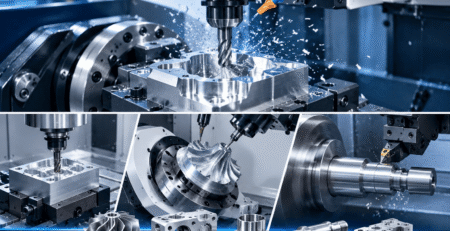
Precision CNC machining is an important part of modern mould manufacturing. Accurate machining helps create the detailed mould components required for repeatable plastic production.
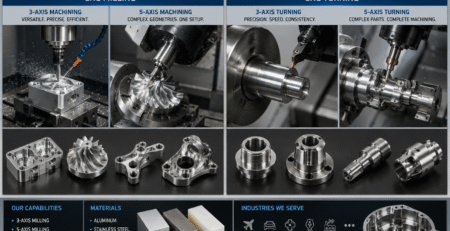
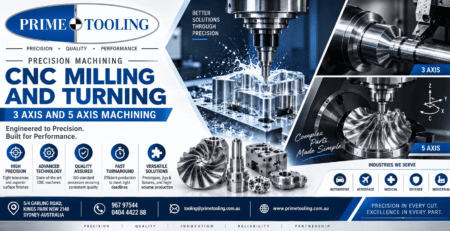
Prime Tooling provides precision CNC milling, CNC turning, and general engineering services. Its facility includes CNC equipment and CAD/CAM resources supporting tool design and manufacturing.
Combining design, machining, assembly, and testing capabilities can help create a more streamlined tooling development process.
Mould Maintenance and Repair
Even a high-quality injection mould requires proper maintenance throughout its working life. Regular inspection and timely repairs can help maintain production quality and reduce unexpected downtime.
Prime Tooling provides mould modification, maintenance, and repair work as part of its engineering services.
Depending on the condition and application of the tooling, maintenance may involve component replacement, adjustments, surface work, or modifications to accommodate product changes.
Choosing the Right Plastic Injection Moulding Partner
When selecting a company for plastic injection mould making and injection moulding, businesses should consider more than the initial tooling price. Important factors include engineering experience, design capability, machining resources, testing facilities, quality control, communication, and after-sales support.
A tooling partner that understands both product design and manufacturing can help identify potential problems early and develop tooling that is practical for the intended production environment.
Prime Tooling combines precision toolmaking, engineering, CAD/CAM, CNC machining, prototyping, injection mould manufacturing, and in-house mould trials to support customers through different stages of product development.
Conclusion
Plastic injection mould making and injection moulding are fundamental to the production of reliable and consistent plastic components. From initial CAD modelling and mould design through precision machining, assembly, testing, and production, every stage contributes to the final quality of the product.
For businesses requiring precision plastic injection moulds, choosing an experienced tooling partner can help improve manufacturing efficiency, minimise design issues, and support a smoother path from product concept to production.
Prime Tooling Pty Ltd provides precision toolmaking and engineering services from its facility in Kings Park, Sydney, NSW. Its capabilities cover injection mould design and manufacturing, CNC machining, prototyping, mould testing, modification, maintenance, and repair.
For more information about plastic injection mould making, injection moulding, tooling, and engineering services, visit Prime Tooling.

Leave a Reply